APPLICATIONS

Carbon capture that fits your site.
From offshore environments to industrial plants, our technology adapts to the space, scale, and demands of your operation.
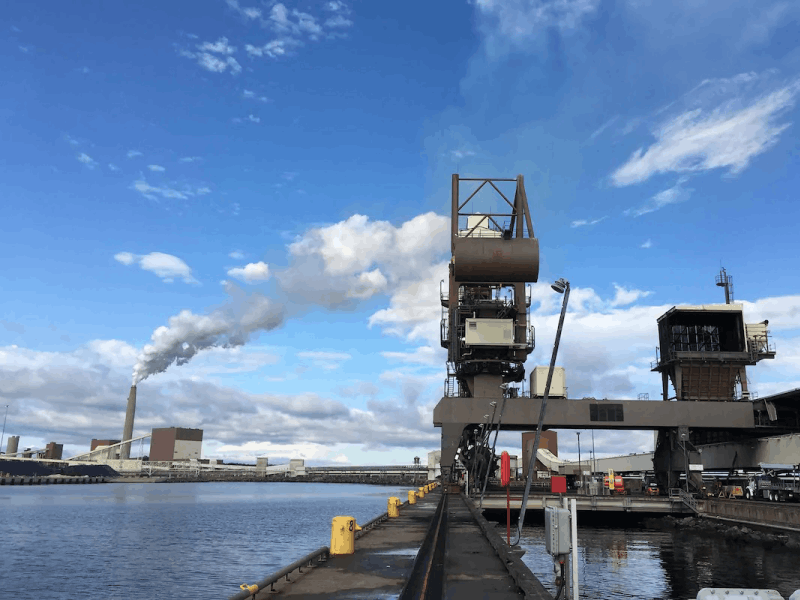
Industrial waterfront with cargo-handling cranes, heavy machinery, and a smokestack emitting a visible plume, illustrating the emissions challenges facing ports and heavy industry and the need for technologies that reduce harmful pollutants and improve environmental performance.
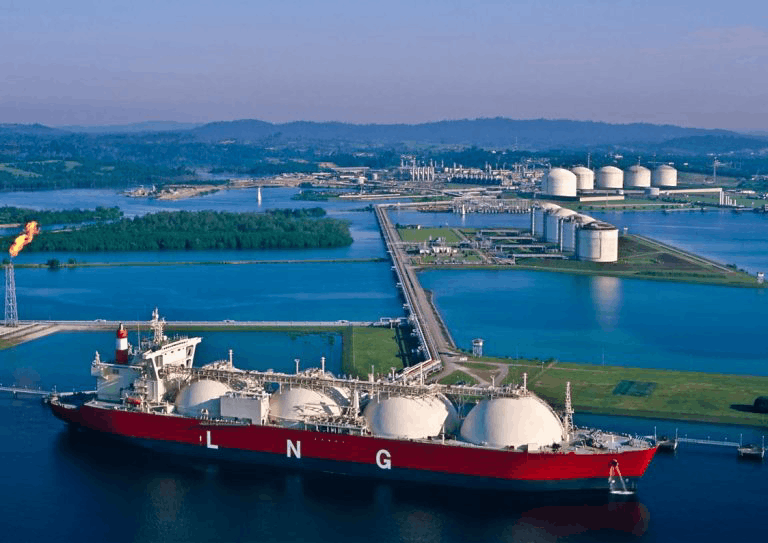
LNG carrier docked at a waterfront terminal with spherical storage tanks and surrounding industrial infrastructure, highlighting the role of emissions-reduction technologies in helping large marine vessels reduce harmful exhaust and support cleaner shipping operations.
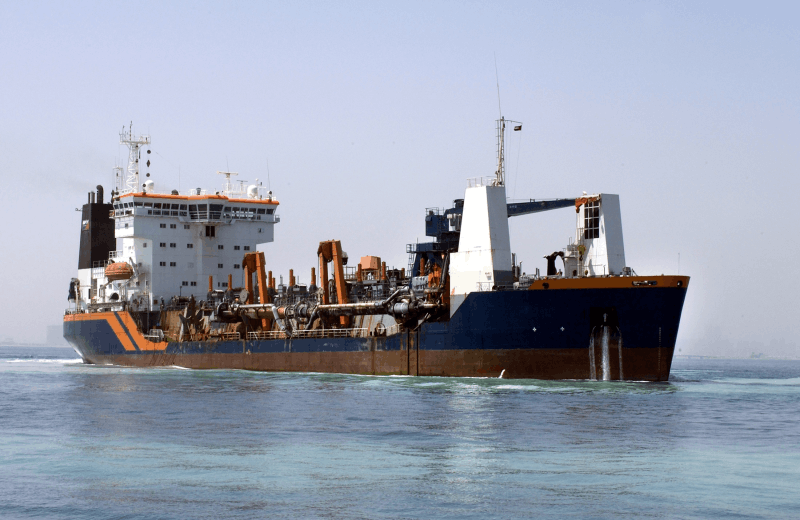
Large industrial vessel underway with extensive deck piping and heavy equipment, illustrating the maritime sector’s need for emissions-reduction technologies that help commercial ships reduce harmful exhaust and operate more sustainably.
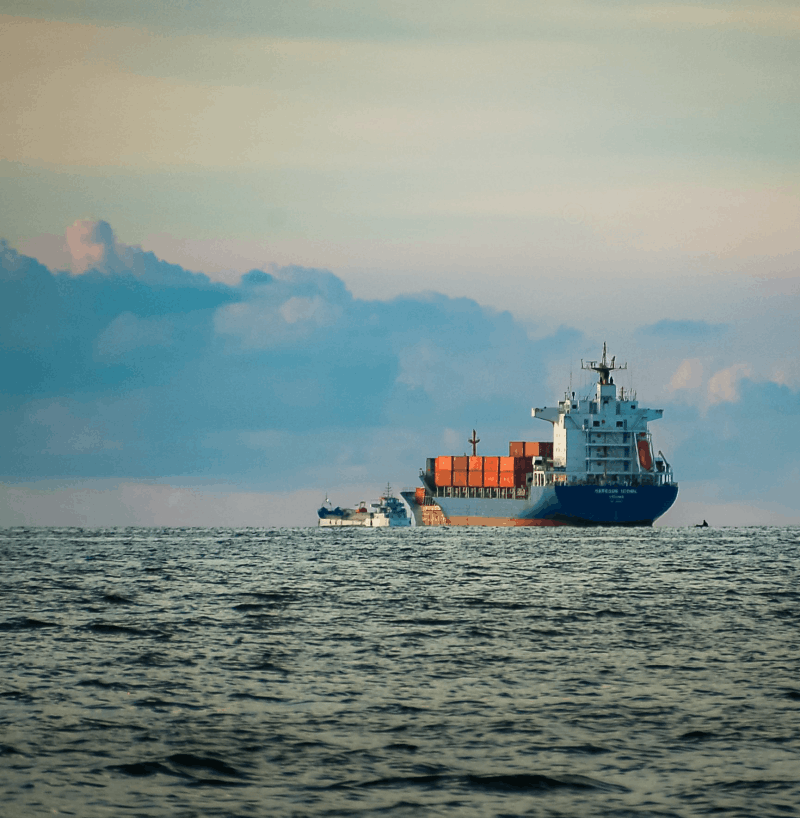
Container ship carrying cargo across open water, representing the global maritime industry and the need for emissions-reduction and carbon capture technologies that help vessels lower their environmental impact and support cleaner shipping operations.

Offshore and Marine

Problem
Floating production, storage, and offloading (FPSO) units and marine vessels are significant sources of CO₂ emissions, but deck space, weight, and energy constraints make conventional capture impractical.

Solution
Compact, modular HFC systems are designed for space- and weight-constrained environments and can be integrated with onboard engines and turbines while accounting for vessel range, reliability, and power requirements.

Pathway
We work with you from feasibility and system design through onboard integration, pilot validation, and commercial deployment.

Oil and Gas

Problem
You need equipment to operate reliably while you’re navigating carbon pricing, emissions-reduction commitments, limited space, and utility capacity.

Solution
HFC technology can be configured for individual emission sources that vary in size, location, and requirements—even at compressor stations, gas-processing facilities, and remote operating sites.

Pathway
We start by assessing the flue-gas source, operating profile, available utilities, and CO₂ destination. Then we work with you on feasibility and front-end engineering, pilot deployment, and commercial implementation.
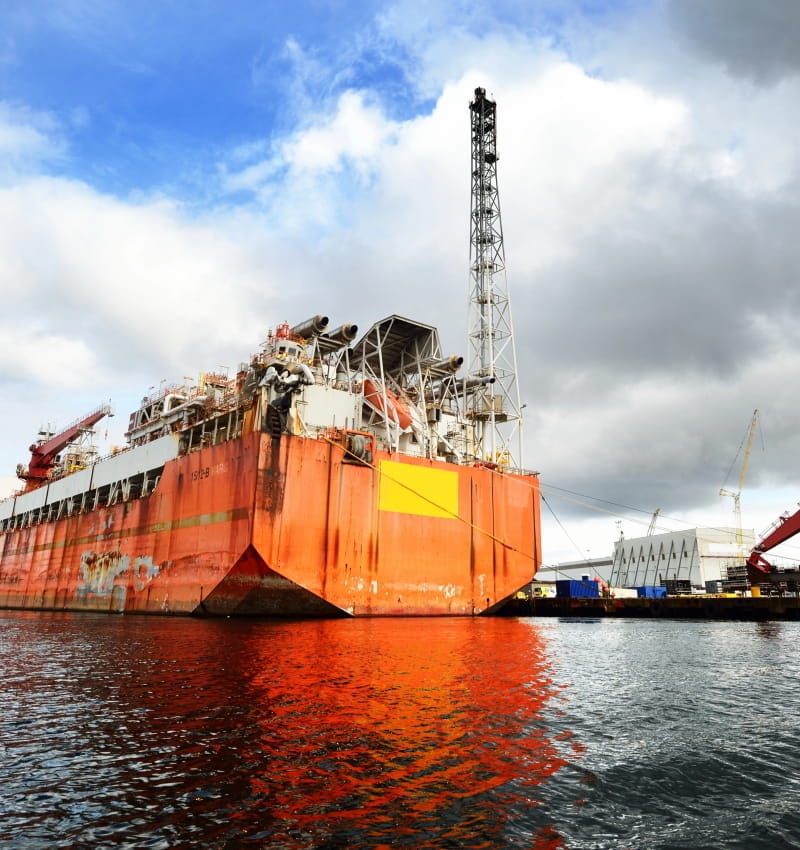
Large floating production, storage, and offloading (FPSO) vessel docked at an industrial port, representing offshore energy operations and the opportunity for carbon capture and emissions-reduction technologies to lower emissions from complex marine and industrial processes.
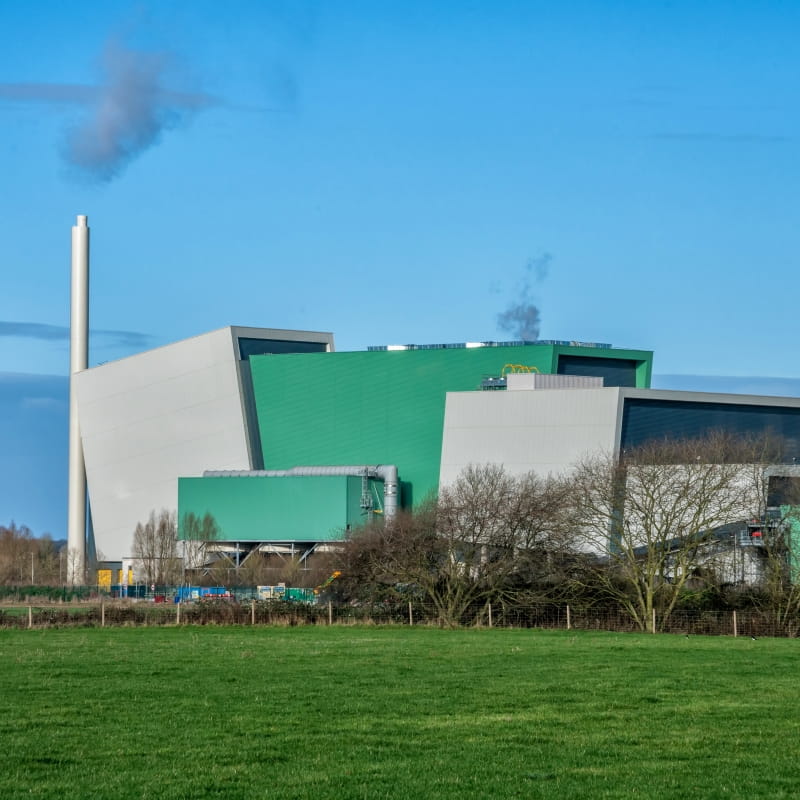
Javelin Park waste incinerator near Gloucester, England, with its industrial processing buildings and chimney, illustrating how carbon capture technologies can help waste-to-energy facilities reduce CO₂ emissions and support cleaner industrial operations.

Waste-to-Energy

Problem
Waste-to-energy flue gas contains CO₂ and possible contaminants that need to be addressed before carbon capture. Most facilities also face space, energy consumption, and integration challenges.

Solution
We tailor flue-gas pre-treatment and capture to your available space, heat, and utilities. Because waste-to-energy flue gas can contain both fossil and biogenic CO₂, capture and permanent storage can substantially reduce a facility’s net emissions and even generate credit.

Pathway
After conducting a flue-gas characterization and feasibility study, we move on to detailed engineering, validation, pilot deployment, and scale-up. This staged approach minimizes disruptions to your operation.

Industrial Carbon Capture and Utilization

Problem
Industrial facilities need dependable supplies of CO₂ for products and processes even as they work to reduce emissions. At the same time, data centres and other power-intensive sites may rely on onsite natural-gas generation where grid capacity or reliability is constrained.

Solution
Ionada’s modular systems capture CO₂ from onsite generation and industrial exhaust streams for permanent storage or productive use. Onsite capture can reduce emissions while providing a more economical and secure CO₂ supply.

Pathway
We evaluate your emission source, CO₂ requirements, available utilities, and intended use or storage. From there, we work through feasibility, performance modelling, pilot testing, system integration, and commercial deployment.
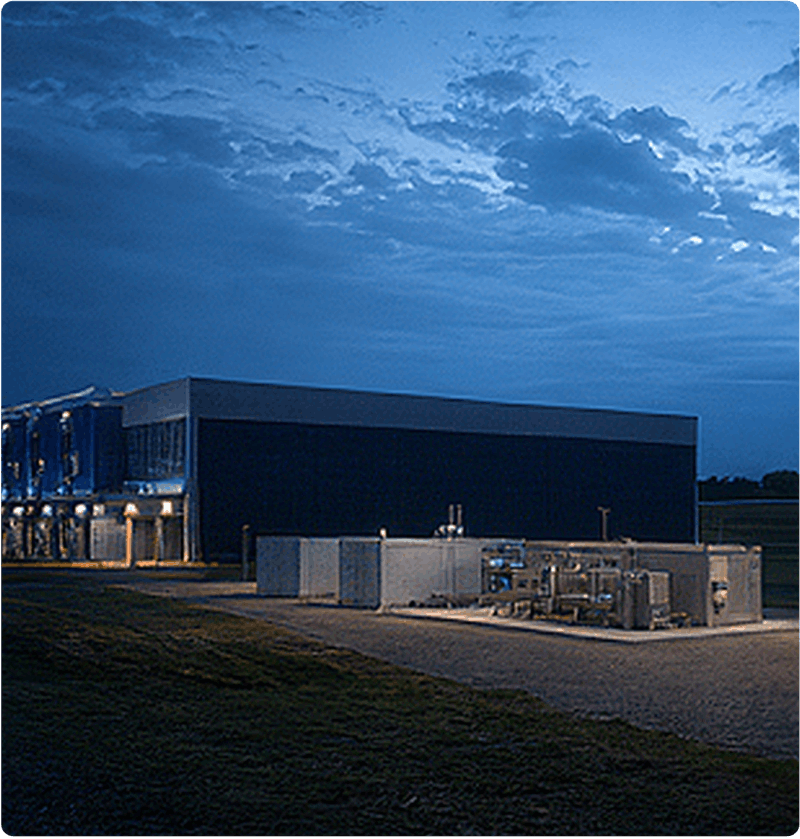

Industrial facility with modular processing equipment, piping, and enclosed infrastructure, illustrating the deployment and integration of carbon capture technology to reduce CO₂ emissions from industrial operations.
Image link

Brand Identity and Website Redesign

Our solutions are crafted to evolve with your business, ensuring seamless growth.

Website Redesign
Client: Impact Company
Budget: $75,000
Country: Germany
Image link

Brand Identity and Website Redesign

Our solutions are crafted to evolve with your business, ensuring seamless growth.

Identity Rebrand
Client: Future Company
Budget: $350,000
Country: France
Elite Solutions

A Legacy of Innovation in Advisory Services

Our core values include creativity, collaboration, and customer delight.

Optimized Workflow for Rapid Deployment

Comprehensive strategies crafted to anticipate trends, capture opportunities, and establish lasting legacies.

Trusted by 15K+ Businesses

Streamlined Workflow for Fast Deployment

Launch confidently with tools that simplify your creative process and improve every aspect of site-building.
Image

Our all-in-one platform combines design freedom with backend stability, helping you scale your brand.

From Emissions to E-Fuels

If you produce e-fuels or other carbon-based products, we can design a system to capture, purify, and condition CO₂ to the requirements of your downstream process. We can also evaluate nearby emission sources to help develop a dependable regional supply.

Explore the operating data behind HFC and its pathway to larger-scale deployment.
“Ionada’s carbon capture technology supports our ambition to help offshore operators reduce emissions from FPSO operations. Its compact design and potential for onboard integration make it a valuable component of our Zero Emissions FPSO concept.” — Lars Gunnar Vogt, Chief Technology Officer, Yinson Production
Yinson Production

Transform the Economics of Your Operation

Jonathan Dogterom

Vice President, Business Development

Jonathan has built his career around turning complex technologies into commercial businesses. He co-founded Sustainable Energy Technologies, now Eguana Technologies, and held business development roles at Hydrogenics, now part of Cummins, before helping climate and deep-tech companies navigate commercialization through MaRS Discovery District. At Ionada, he leads business development and strategic partnerships—connecting carbon capture technology with the customers, projects, and opportunities needed to accelerate commercial deployment.

Alan Sasnowski

Program Manager

Alan has spent more than 30 years taking promising engineering programs from concept to launch. Across Magna, BionX, and Elby, his work has spanned product development, prototyping, supplier coordination, testing, and production readiness. At Ionada, he brings those moving pieces together, driving multidisciplinary programs that turn carbon capture technology into systems ready to build, deploy, and scale.

Edoardo Panziera

Founder & Chief Executive Officer

Edoardo has built his career at the intersection of technology, product development, and commercialization. He has led advanced environmental technologies from concept and laboratory testing through pilots and commercial implementation across multiple industries.

Driven by the belief that breakthrough technologies only create impact when they are successfully deployed in the real world, Edoardo has guided Ionada from an early-stage concept into a globally recognized carbon capture technology company.

Dave Pascoe

Chief Operating Officer

Dave has spent almost 40 years turning advanced engineering into products that can actually be built and delivered. As a former CTO at IAC and engineering executive at Magna International, he led global technology, product development, manufacturing, and operational initiatives at scale. At Ionada, he brings that operating discipline to carbon capture—building the processes and capabilities needed for reliable, repeatable commercial deployment.

Michael Willetts

Chief Financial Officer

Michael brings 30 years of financial leadership spanning global industry and emerging green technology, from Ford Motor Company to Forward Water Technologies. His career has focused on financial strategy, corporate governance, and investment management across businesses at very different stages of growth. At Ionada, he leads financial strategy, risk management, and capital allocation—building the financial foundation needed to commercialize and scale.

Dr. Nader Mosavat

Vice President, Research & Development

Nader has spent more than 15 years working on the question at the heart of carbon capture: how to take promising science and make it work at industrial scale. A PhD engineer, his career spans CCUS research, process development, field validation, and technology scale-up across academic and industrial settings. At Ionada, he leads the technical roadmap, validation, and performance advancement, moving the technology toward commercial-scale deployment.